Why our grandparents cooked with ghee
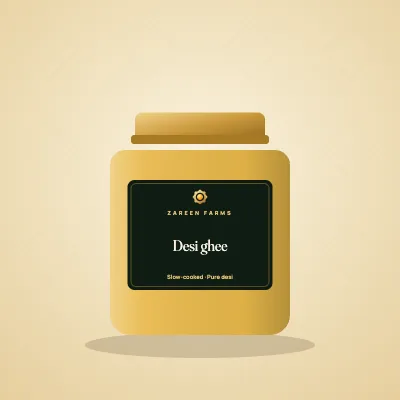
Ghee has a high smoke point, so it doesn't burn easily during tadka and frying, and its rich, nutty flavour means a little goes a long way.
Benefits of desi ghee
- Fat-soluble vitamins A, D, E and K, absorbed better with fat.
- Butyrate, a fatty acid that feeds the cells of the gut.
- Most lactose and casein removed during cooking, so many people who struggle with milk tolerate ghee.
- A traditional skin and lip moisturiser in winter.
How much is healthy?
Like any fat, ghee is energy-dense. One to two teaspoons a meal is a sensible amount for most adults, as part of a balanced diet. If you have heart disease or high cholesterol, ask your doctor.
Ghee vs cooking oil
Use ghee for tadka, parathas and halwa where flavour matters, and a light oil for everyday frying. Avoid vanaspati (hydrogenated fat) altogether.
This article is general information about nutrition and traditional use, not medical advice. If you are pregnant, breastfeeding, taking medication or have a health condition, please speak to your doctor first.